
Lidarmos: Explore the Future of AI, LiDAR and Robotics

Welcome to Lidarmos — your hub for the latest in AI, LiDAR, and robotics. Discover how machines are learning to see, sense, and automate the world around us. Dive into the future of intelligent technology.

lidarmos
lidarmos

What is Lidarmos?

Lidarmos is a groundbreaking platform that dives into the world of machine perception and intelligent automation. It brings together four key technologies: LiDAR, artificial intelligence (AI), robotics, and autonomous systems. Think of it as a hub where complex ideas become simple. Lidarmos is built for engineers, researchers, and tech enthusiasts who want to understand how machines see, think, and move. It’s all about making cutting-edge innovations accessible to everyone.

Why Lidarmos Matters

Why should you care about Lidarmos? It’s a game-changer. This platform bridges the gap between advanced tech and real-world understanding. For engineers, it’s a treasure trove of tools and insights. For researchers, it’s a way to stay ahead of the curve. And for tech lovers, it’s a peek into the future. Lidarmos impacts industries like transportation, manufacturing, and even environmental science. By sharing knowledge, it prepares us for a world where machines are smarter than ever.

Read Our Latest Blogs

LiDAR: The Eyes of Autonomous Systems

LiDAR

Understanding LiDAR Technology

How LiDAR Works

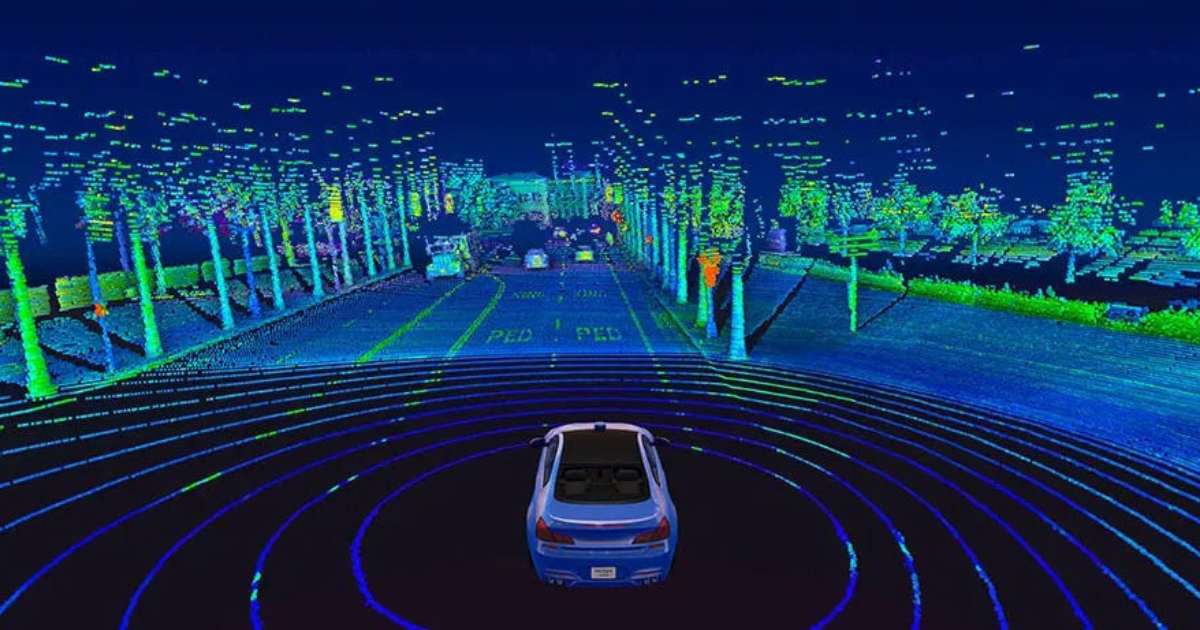
LiDAR stands for Light Detection and Ranging. It’s a laser-based system that measures distances with incredible precision. Here’s how it works: LiDAR sends out laser pulses. Those pulses hit objects and bounce back. By timing how long this takes, LiDAR builds a detailed 3D map of the surroundings. It’s like giving machines a pair of super-powered eyes. Self-driving cars, drones, and robots rely on it to “see” the world.

Types of LiDAR

There are two big players in the LiDAR world: mechanical and solid-state. Mechanical LiDAR uses spinning parts to scan the environment. It’s effective but often bulky and pricey. Solid-state LiDAR is different. It has no moving parts, making it smaller, cheaper, and tougher. Both have their uses. Cars might lean on mechanical LiDAR, while drones prefer solid-state for its compact size.

Recent Advancements in LiDAR

Innovations in Sensor Design

LiDAR is getting better every day. New sensors are smaller and more affordable than ever. A decade ago, a LiDAR unit could cost thousands of dollars. Now, some models dip below $100. They’re also more powerful, packing sharper resolution into tinier packages. This opens the door for LiDAR to pop up in everyday tech, from cars to smart home devices.

Lidarmos and LiDAR Integration

Lidarmos takes LiDAR to the next level. It pairs LiDAR data with AI to boost machine perception. Imagine a robot that doesn’t just see obstacles but understands what they are. That’s what Lidarmos enables. It also digs into research to make LiDAR faster and more accurate. This combo is key for tasks like navigation, object detection, and mapping.

Applications of LiDAR

Autonomous Vehicles

LiDAR is the backbone of self-driving cars. It spots obstacles, maps roads, and keeps passengers safe. Companies like Waymo and Tesla swear by it. Without LiDAR, these vehicles would be blind to sudden changes—like a pedestrian stepping into traffic. It’s a critical piece of the autonomy puzzle.

Environmental Monitoring

LiDAR isn’t just for cars. It’s a hero in environmental science too. Scientists use it to map forests, track erosion, and monitor disasters. For example, LiDAR can measure tree heights or spot landslides from miles away. This data helps governments and researchers protect ecosystems and plan smarter.

Beyond Transportation

LiDAR’s reach goes far beyond roads and skies. Archaeologists use it to uncover ancient ruins hidden under thick jungles. Museums scan historical sites to preserve them in 3D. Even video game designers tap LiDAR to create ultra-realistic worlds. It’s a versatile tool with endless possibilities.

Artificial Intelligence: The Brain Behind the Machines

Artificial Intelligence

The Role of AI in Robotics and Autonomous Systems

Machine Learning for Perception

AI is the brains of the operation. It takes raw data—like LiDAR’s 3D maps—and turns it into decisions. Machine learning, a subset of AI, teaches machines to spot patterns. A self-driving car, for instance, uses AI to recognize stop signs or predict a cyclist’s path. This perception is what makes autonomy possible.

AI-Powered Automation

AI doesn’t just see—it acts. In factories, it runs quality checks without human input. In warehouses, it optimizes delivery routes. AI learns from experience, getting sharper with every task. This automation saves time and money across industries, from healthcare to logistics.

Latest AI Breakthroughs Relevant to Lidarmos

Deep Learning Advancements

Deep learning is AI’s rising star. It uses neural networks to mimic the human brain. Recent upgrades mean machines can now identify objects with near-perfect accuracy. For Lidarmos, this is huge. It means robots can tell a chair from a table—or a cat from a dog—in real time. That’s a big leap for machine perception.

Reinforcement Learning

Reinforcement learning is another hot topic. It’s like training a dog: reward good behavior, and the machine learns. Robots use it to adapt to new challenges, like navigating a cluttered room. Lidarmos explores how this technique makes machines more flexible and independent.

Ethical Considerations and Future Challenges

Addressing Bias in AI

AI isn’t perfect. Bias is a real problem. If training data is skewed, AI can make unfair calls—like misidentifying people based on race or gender. Lidarmos tackles this head-on. It pushes for transparent, ethical AI development so machines serve everyone equally.

Toward Artificial General Intelligence

What’s next for AI? Artificial General Intelligence (AGI) might be it. AGI is the dream of machines that think like humans. We’re not there yet, but Lidarmos keeps tabs on the journey. AGI could transform industries—or spark debates about control and safety. It’s a future worth watching.

Robotics: From Factory Floors to Everyday Life

Robotics

The Evolution of Robotics Technology

A Brief History

Robots have come a long way. In the 1960s, they were clunky machines stuck on factory lines. Fast forward to today, and they’re everywhere. AI and sensors like LiDAR have turbocharged their growth. Now, robots move, think, and even chat with us. It’s a revolution decades in the making.

Current Trends in Robotics Development

Collaborative Robots (Cobots)

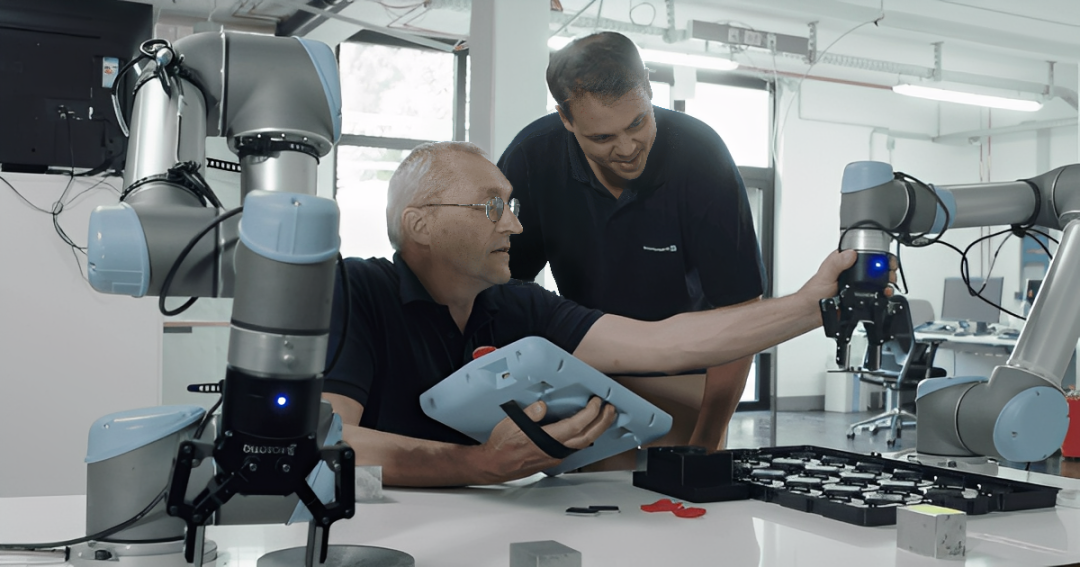
Meet cobots: robots that team up with humans. Unlike old-school robots, cobots are safe and user-friendly. They weld car parts, assist surgeons, and even serve coffee. Their rise is making automation more approachable—and affordable—for small businesses and big industries alike.

Humanoid Robots

Humanoid robots are stealing the spotlight. These human-like machines can greet customers, care for the elderly, or perform on stage. They’re still in early development, but the potential is massive. Imagine a robot assistant in every home. That’s where we’re headed.

Impact of Robotics on Society

Economic Shifts

Robots are shaking up the economy. They’re automating repetitive jobs, which worries some workers. But they’re also creating roles—like robot technicians and programmers. Lidarmos helps people navigate this shift. It’s about adapting to a world where machines and humans work side by side.

Lidarmos in Robotics Innovation

Lidarmos fuels robotics progress. It shares cutting-edge research and practical ideas. Want to build a robot that picks fruit or cleans rivers? Lidarmos has the know-how. By spreading knowledge, it sparks innovation and brings robotics into everyday life.

Autonomous Systems: The Future of Transportation and Beyond

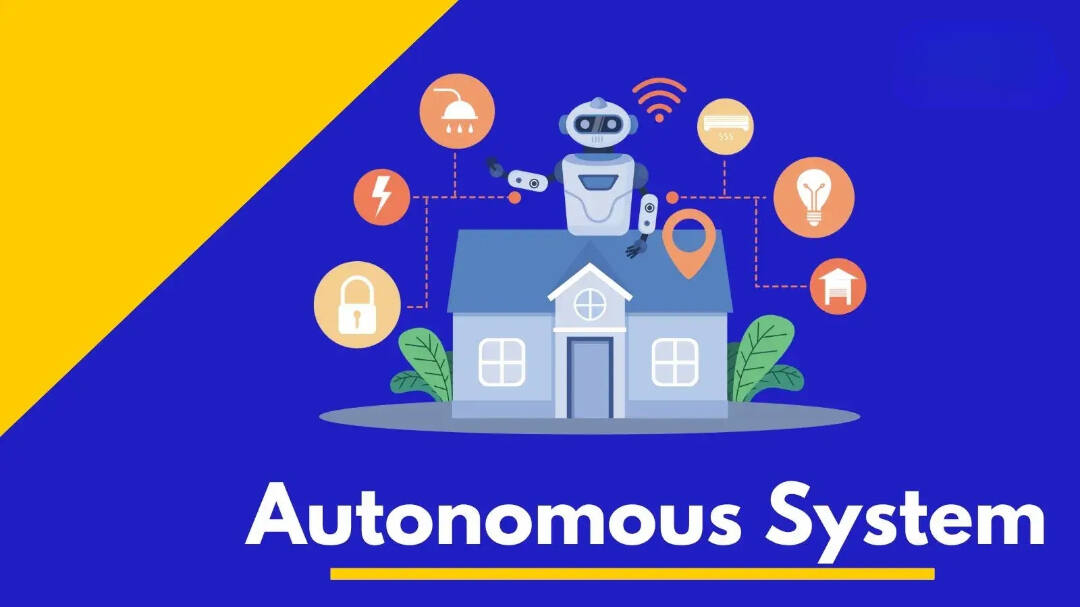
Autonomous Systems

Overview of Autonomous Vehicles and Drones

Self-Driving Cars

Self-driving cars are no longer sci-fi. They blend LiDAR, AI, and sensors to cruise without a driver. Companies like Waymo and Cruise are testing them in cities worldwide. The promise? Safer roads, less traffic, and more free time. Its transportation was reimagined.

Autonomous Drones

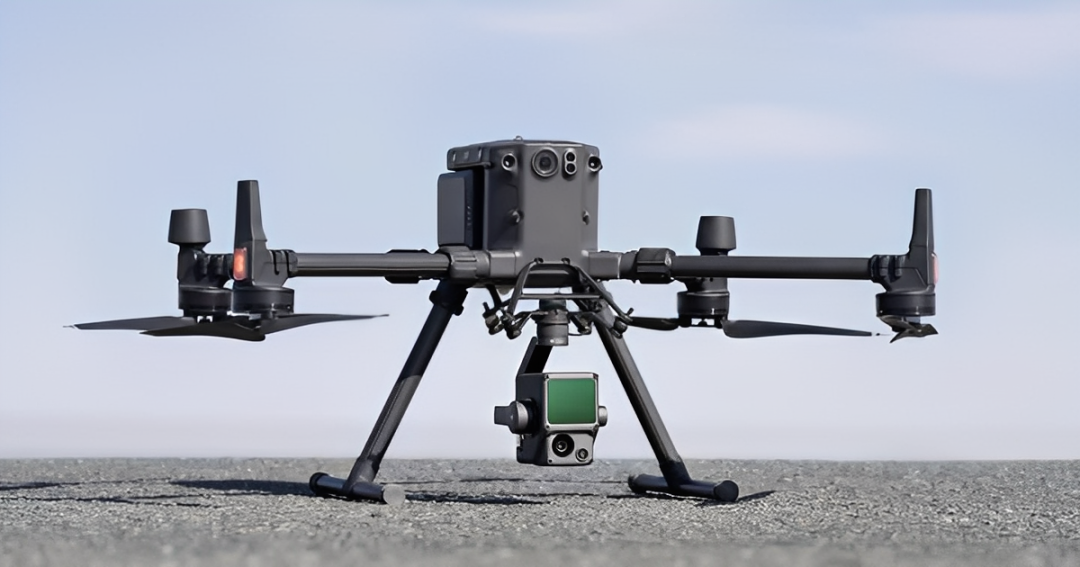
Drones are soaring too. These pilotless flyers deliver packages, inspect crops, and monitor construction sites. They’re fast, efficient, and versatile. From rural farms to urban rooftops, autonomous drones are changing how we move goods and gather data.

Challenges and Opportunities

Technical Barriers

Autonomy isn’t easy. Self-driving cars struggle with chaotic streets or bad weather. Drones face battery limits and air traffic rules. Sensor fusion—merging data from LiDAR, cameras, and radar—is the fix. Lidarmos digs into these hurdles, offering solutions to keep progress on track.

Market Growth

The autonomous market is booming. Billions are pouring into self-driving tech and drones. Startups are popping up daily. This growth spells opportunity—for jobs, innovation, and smarter systems. Lidarmos keeps you in the loop on where this market’s headed.

Regulatory and Safety Considerations

Global Policies

Rules are catching up to tech. Governments worldwide are setting guidelines for autonomous systems. Some demand human backups for self-driving cars. Others limit drone flights near airports. Lidarmos tracks these policies, helping developers stay compliant and informed.

Ensuring Safety

Safety comes first. Autonomous systems need rigorous testing—think simulations and real-world runs. A single glitch could derail trust. Lidarmos shares best practices to ensure these machines are reliable. After all, a safe future is the goal.

The Lidarmos Ecosystem: Integrating AI, LiDAR, and Robotics

The Lidarmos ecosystem demonstrates how the fusion of AI, LiDAR, and robotics is more than just technological progress—it’s a vision of the future. From easing traffic and improving healthcare through robotic surgeries to preparing industries for smarter, independent machines, Lidarmos proves that innovation can solve real-world challenges.

At the same time, it serves as a valuable hub for both professionals and enthusiasts, offering resources, tutorials, and accessible insights into these emerging fields. By bringing together knowledge and application, Lidarmos opens the door to safer cities, smarter industries, and endless possibilities—inviting everyone to explore and be part of tomorrow.